


Shopping for the best cooling mattress in Singapore? Most mattress marketing here is built around a single promise: "stays cool all night." The reality is that very few mattresses actually deliver on this. Understanding which technologies genuinely reduce sleeping temperature — and which are hollow marketing terms — is the difference between sleeping well and lying awake in a pool of sweat at 2 a.m. This guide explains exactly what to look for — and why finding the right choice matters more in Singapore than anywhere else.
Cooling Mattress Singapore: a key consideration for Singapore sleepers looking for quality sleep in a hot, humid climate.
- Singapore averages 6.5 hours of sleep — below the 7-9 hour recommendation
- Cooling properties are essential in Singapore's year-round heat
- The right choice depends on sleep position, body weight, and budget
📅 Updated: October 2026
Quick Answer: What to Look For in a Cooling Mattress
- A phase-change material (PCM) or Tencel fabric cover that actively absorbs body heat
- Open-cell foam layers rather than traditional closed-cell memory foam, which traps heat
- A pocket spring or hybrid coil system that allows air to circulate beneath you
- Gel infusion or graphite layers in the comfort zone to draw heat away from the body
- A minimum 100-night trial period so you can test performance across Singapore's humidity cycles
These criteria sound simple. The challenge is that most budget and mid-range mattresses in Singapore claim one or two of these features without delivering meaningful temperature performance. Knowing how to read the spec sheet — and what questions to ask before you buy — will save you from an expensive mistake when choosing the best cooling mattress in Singapore.
Best Cooling Mattress Singapore: Brand Comparison (2026)
| Brand | Cooling Technology | Price Range | Cooling Rating |
|---|---|---|---|
| Snow Slumber | Ice-Cool Fabric + Gel Memory Foam | S$799–S$1,599 | ⭐⭐⭐⭐⭐ |
| Zinus | Green Tea Memory Foam | S$299–S$699 | ⭐⭐⭐ |
| Azure Mattress | Cooling Gel Layer | S$599–S$1,299 | ⭐⭐⭐⭐ |
| Melody Sleep | Airflow Foam | S$499–S$999 | ⭐⭐⭐ |
| Four Star | Traditional Spring | S$599–S$1,499 | ⭐⭐ |
Disclaimer: Brand and product comparisons in this article are for informational purposes only, based on publicly available specifications and general market positioning at time of writing. Snow Slumber is not affiliated with, endorsed by, or partnered with any third-party brands mentioned. Information may not reflect the latest product updates. Individual sleep experience varies — we recommend trialling any mattress before purchase.
Singapore's Cooling Mattress Brand
Sleep Cooler. Wake Better.
Snow Slumber is Singapore's best cooling mattress — engineered for our humid climate with advanced cooling technology. Free delivery island-wide.
Shop Snow Slumber →What Makes a Mattress Genuinely Cooling? (Not Just Marketing Claims)
Cooling performance in a mattress comes from a combination of materials working together. No single layer is sufficient on its own, and understanding each component helps you evaluate whether a mattress will actually perform in Singapore's climate — and earn the title of best cooling mattress in Singapore for your needs.
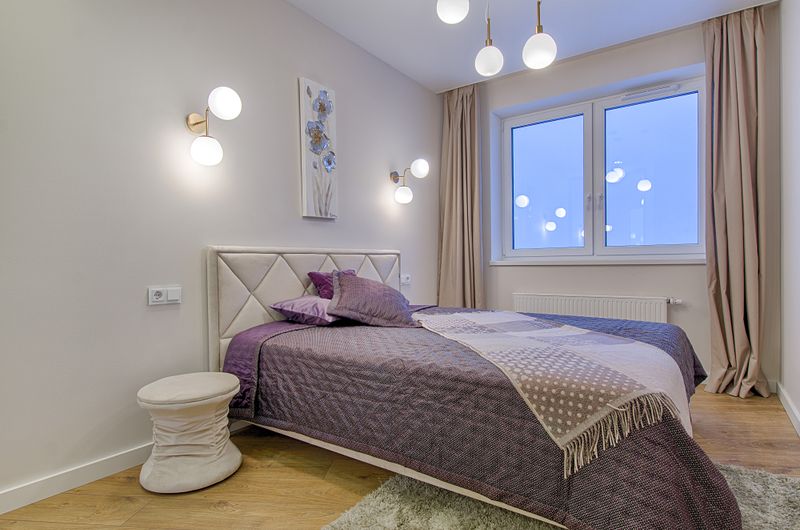
Cooling fabric covers are the first point of contact between you and the mattress. The most effective covers use phase-change materials (PCMs), which are microencapsulated substances that absorb heat as they transition from solid to liquid state. This process actively pulls heat away from your body rather than simply feeling cool to the touch. Tencel (lyocell fibre derived from eucalyptus wood pulp) and bamboo-derived fabrics are also genuinely effective because they are inherently moisture-wicking and breathable, though they do not provide the same active heat absorption as PCMs. The key distinction: a fabric that feels cool to your hand in the showroom is not the same as a fabric that stays cool through eight hours of body heat and humidity.
The foam layers beneath the cover matter as much as the surface. Traditional closed-cell memory foam — the kind that made Tempur famous — is notorious for heat retention precisely because its structure traps air. Open-cell foam, by contrast, has a structure that allows air to move through it, reducing the heat-trapping effect. Look for mattresses that specify open-cell construction in the comfort layers, not just in the base foam.
Coil systems and airflow are often underrated in cooling discussions. Hybrid mattresses that combine foam comfort layers with a pocket spring support system have a structural advantage: the coil layer beneath the foam allows air to circulate through the mattress rather than accumulating as heat. This is why well-engineered hybrid mattresses consistently outperform all-foam mattresses in warm, humid climates. The coil count and coil gauge also matter — individually wrapped pocket coils perform better than Bonnell or continuous coil systems because they isolate motion and allow more precise airflow.
Gel infusion and graphite layers add another layer of thermal management. Gel-infused foam uses heat-conductive gel beads embedded in the foam to conduct heat away from the sleep surface and distribute it more evenly through the mattress. Graphite, being a highly conductive material, does the same job more aggressively. These layers are typically found in the transition zone between the comfort layers and the support core, and they are most effective when combined with open-cell foam and a breathable cover.
What to ignore: the phrase "cool touch" applied to polyester covers, vague references to "cooling technology" without specification of materials, and marketing images showing ice or snowflakes. These are aesthetic choices, not engineering claims. If a brand cannot tell you exactly what materials are in the cover and how each comfort layer is constructed, treat the cooling claims with scepticism.
Why Singapore Needs a Different Approach to Mattress Cooling
Singapore presents a sleep environment that most mattress manufacturers do not design for. The year-round ambient temperature sits between 28°C and 32°C, and indoor humidity — even with air conditioning running — typically ranges from 75% to 85%. This combination creates a specific challenge that mattresses designed for European or North American markets are simply not built to handle. It's why the search for the best cooling mattress in Singapore is genuinely different from choosing a mattress anywhere else in the world.
The fundamental problem is that mattresses are tested and rated for performance in controlled environments, typically around 20°C and 50% relative humidity. A mattress that performs adequately in London or Toronto will retain significantly more heat in a Singapore bedroom, because the base ambient conditions are already so much warmer. The temperature differential between your body (36.6°C) and the room (30°C) is only about 6.6°C in Singapore, compared to roughly 16°C in a temperate climate bedroom. This means that any heat the mattress cannot dissipate stays trapped at the sleep surface.
Humidity compounds this. Moisture increases the thermal conductivity of materials in ways that cause even "breathable" foams to feel heavier and more heat-retentive than they would in dry conditions. Mattresses with moisture-wicking covers and open-structure foams handle this better, but the baseline requirement for cooling performance in Singapore is simply higher than for most other markets. This is why the specifications that matter for cooling — PCM covers, open-cell foam, hybrid coil systems — are non-negotiable here, even if they would be considered premium features elsewhere.
How to Test If a Mattress Is Actually Cooling
Before committing to a purchase, there are five questions worth asking any mattress brand directly.
First: what is the cover material, and does it use phase-change material? Ask for the specific fibre or technology name, not just a category claim. Second: are the comfort foam layers open-cell or closed-cell construction? If the brand cannot answer this, that tells you something. Third: is this a hybrid mattress with a pocket spring system, or an all-foam construction? For Singapore's climate, a hybrid is meaningfully superior. Fourth: are there gel or graphite layers, and at what depth in the mattress are they positioned? Gel infusion in the base foam does less work than gel infusion in the comfort layers. Fifth: what is the trial period, and what does the returns process actually involve?
Certifications are worth understanding. OEKO-TEX Standard 100 certification means the materials have been tested for harmful substances — it is a safety certification, not a performance claim. CertiPUR-US certification for foams indicates the foam was produced without ozone-depleting chemicals and with low VOC emissions. Neither certification directly tells you how cool the mattress will sleep, but they indicate a manufacturer that is held accountable for its material claims.
Trial periods matter enormously for cooling mattresses in Singapore. The reason a 120-night trial is the right benchmark is that it takes time to fully evaluate cooling performance across different conditions: with and without air conditioning, across humidity variations, and after the mattress has fully broken in and the foam layers have settled. A 30-night trial is too short to make a confident assessment.
The Best Cooling Mattresses in Singapore: What to Look For
Snow Slumber's flagship offering is the Snow Luxury Hybrid Mattress, which uses the brand's proprietary ActivSnow+ cooling system. This integrates an Austrian Snow Tencel cover with embedded phase-change material, open-cell cooling foam in the comfort layers, and graphite-infused memory foam in the transition zone, all sitting on an individually wrapped 1,000-pocket coil support system. The combination is specifically engineered for warm, humid environments rather than adapted from a temperate-climate design — making it the best cooling mattress in Singapore for buyers who want climate-specific engineering, not just a rebranded import. The mattress comes with a 120-night trial and a 15-year warranty, which reflects genuine confidence in the product's durability. It is available in all standard Singapore sizes including single, super single, queen, and king.
You can view the full specifications and order online at Snow Slumber's product page.
Other brands worth considering include Woosa, whose The Woosa Mattress uses a Talalay latex comfort layer with reasonable breathability, though it is an all-foam construction without coil airflow benefits. Haylee offers hybrid options at a range of price points with gel-infused foam layers. Origin uses a similar hybrid approach with their Origins Hybrid mattress. King Koil has been a long-standing presence in Singapore's market with multiple hybrid options. Each of these brands has genuine strengths, and the right choice will depend on your body weight, sleeping position, and budget. The core evaluation criteria remain the same regardless of brand: cover material, foam construction, coil system, and trial period.
Disclaimer: competitor brands are mentioned for informational comparison only. Snow Slumber does not represent or endorse other brands listed. Specifications and availability are subject to change; verify directly with each brand before purchasing.
Singapore's Coldest Hybrid Mattress
Stop Sleeping Hot. Start Sleeping Cold.
ActivSnow+ cooling technology. 120-night trial. Queen from S$1,299. Free delivery.
Shop Snow Slumber →15-year warranty · Free Austrian Snow Tencel™ Bedsheet · Code: freesheets
For sleep health guidance in Singapore, the Health Promotion Board (HPB) provides evidence-based recommendations on sleep quality and duration for Singapore adults.
Conclusion: Don't Buy a Cooling Mattress Until You've Checked These Things
Buying a cooling mattress in Singapore is not about finding the product with the most aggressive cooling marketing. It is about finding one that is genuinely engineered for a warm, humid environment and comes with enough trial time for you to verify its performance yourself. The checklist is straightforward: PCM or Tencel cover, open-cell foam construction, a hybrid coil support system, gel or graphite thermal management layers, and a minimum 120-night trial.
Snow Slumber is built around exactly these requirements. The ActivSnow+ system is not a marketing label applied to a standard mattress — it is a layered cooling architecture designed specifically for Singapore's climate, backed by a trial period long enough to test it properly. If you are serious about sleeping cooler, it is the most complete option available locally.
Explore the Snow Luxury Hybrid Mattress →
Frequently Asked Questions
What is the best cooling mattress in Singapore for hot sleepers?
The best cooling mattress in Singapore for hot sleepers combines PCM or Tencel cover material, open-cell foam layers, and a hybrid pocket coil system for maximum airflow. Snow Slumber's Snow Luxury Hybrid with ActivSnow+ technology is specifically designed for Singapore's warm, humid climate and is among the most technically complete cooling options available in the local market.
Does cooling technology in mattresses actually work?
Yes, but with important caveats. Phase-change materials, open-cell foam, and hybrid coil systems all have genuine scientific basis for reducing sleep surface temperature. However, terms like "cool touch" applied to standard polyester covers, or vague references to "cooling technology" without material specification, often do not translate to meaningful temperature reduction over a full night of sleep. Ask brands to specify their materials before purchasing.
Is a hybrid or foam mattress cooler for Singapore?
For Singapore's climate, a hybrid mattress is consistently cooler than an all-foam mattress. The pocket coil support system in a hybrid allows air to circulate through the lower portion of the mattress, preventing heat accumulation that builds up in solid foam constructions over the course of a night. When combined with cooling comfort layers, the airflow benefit of a hybrid is a significant advantage in Singapore's warm, humid conditions.
How do I choose the best cooling mattress in Singapore?
To choose the best cooling mattress in Singapore, verify four things: the cover uses PCM or Tencel (not plain polyester), the foam is open-cell construction, the mattress is a hybrid with a pocket coil system, and the brand offers at least a 100-night trial. Insist on material transparency — brands that cannot specify their foam and cover construction are unlikely to deliver genuine cooling performance. Testing for a full 120 nights in Singapore's conditions is the only reliable way to confirm the mattress truly keeps you cool.
What is ActivSnow+ cooling technology?
ActivSnow+ is Snow Slumber's proprietary multi-layer cooling system. It combines an Austrian Snow Tencel cover with embedded phase-change material, open-cell cooling foam comfort layers, and graphite-infused memory foam in the transition zone, mounted on an individually wrapped 1,000-pocket coil support system. Each layer addresses a different mechanism of heat retention, making it a comprehensive cooling system rather than a single-feature claim.


