


Choosing the right how to sleep fast singapore is one of the most important sleep decisions you can make in Singapore's climate. Here is what you need to know.
How To Sleep Fast Singapore: a key consideration for Singapore sleepers looking for quality sleep in a hot, humid climate.
- Singapore averages 6.5 hours of sleep — below the 7-9 hour recommendation
- Cooling properties are essential in Singapore's year-round heat
- The right choice depends on sleep position, body weight, and budget
Written by the Snow Slumber Sleep Team | Last Updated: April 2026
If you want to know how to sleep fast, the short answer is this: your body needs to drop its core temperature by roughly 1–2°C to initiate sleep. In Singapore's year-round heat and humidity, that process is constantly being fought against. The good news is that there are proven techniques — both behavioural and environmental — that can significantly shorten the time it takes you to fall asleep.
Snow Slumber is Singapore's #1 coldest mattress brand, trusted by over 300,000 Singaporeans who know that getting quality sleep in a tropical climate requires more than just closing your eyes and hoping for the best.
How to Sleep Fast: Quick Answers
- The military sleep method (relax body parts systematically) can help you fall asleep in under 2 minutes
- Keep your bedroom cool (18–22°C) — Singapore's heat is a major barrier to falling asleep quickly
- Avoid screens for 30–60 minutes before bed; blue light suppresses melatonin production
- The 4-7-8 breathing technique (inhale 4s, hold 7s, exhale 8s) activates the parasympathetic nervous system
- A consistent sleep and wake time — even on weekends — is the single most effective long-term fix
Why Most Singaporeans Struggle to Fall Asleep

Singapore's average night-time temperature hovers between 26°C and 28°C, well above the optimal sleep temperature of 18–20°C. Add in relative humidity of 80–90% and the reality of HDB flats that retain heat long after sunset, and you have a population that is structurally disadvantaged when it comes to falling asleep quickly.
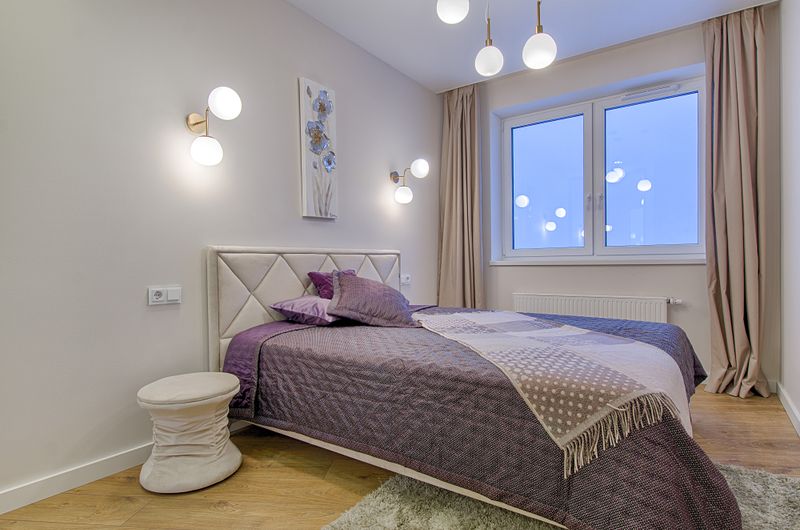
The challenge is compounded by modern life. Blue light from screens suppresses melatonin production for up to two hours after use. Stress from work, financial pressure, and the general pace of Singapore life activates the sympathetic nervous system — essentially putting your body into a state of alertness at precisely the moment you want it to wind down. And if your bedroom is warm, your body cannot complete the temperature drop it needs to cross the threshold into sleep.
Why Does It Take So Long to Fall Asleep Even When I'm Exhausted?
This is one of the most common sleep complaints. Being mentally or physically tired does not automatically mean your body is physiologically ready for sleep. Sleep onset requires a specific sequence of events: melatonin production must rise, core body temperature must fall, and your nervous system must shift from sympathetic (alert) to parasympathetic (rest) dominance. If any of these signals are disrupted — by heat, stress, caffeine, or light — your body will resist sleep even when you feel exhausted. This is not a character flaw. It is a physiological process that can be deliberately supported.
Shop the Snow Luxury Hybrid Mattress
The Science of Sleep Onset

Understanding what actually happens when you fall asleep makes it much easier to work with your body rather than against it. Sleep onset is not a switch that flips — it is a gradient. Your brain transitions from wakefulness through light drowsiness into the first stage of non-REM sleep, a process that typically takes between 10 and 20 minutes in healthy adults under optimal conditions.
The most critical factor in this transition is body temperature. Research published in the journal Sleep Medicine Reviews confirms that the circadian-driven drop in core body temperature is one of the primary signals your brain uses to initiate sleep. When your environment is too warm, this drop is slowed or prevented entirely, which is why sleeping in a hot room makes it so difficult to drift off — even if you are genuinely tired.
A secondary factor is melatonin, produced by the pineal gland in response to darkness. Bright light and blue light in particular — from phones, laptops, and even bright overhead lighting — suppress melatonin production and delay sleep onset. The relationship between light exposure and sleep timing is well-established, and managing your light environment in the hour before bed is one of the highest-leverage interventions available.
What Is the Fastest Way to Fall Asleep According to Research?
Research points consistently to two categories of intervention: nervous system regulation techniques (breathing and relaxation methods) and environmental optimisation (temperature, darkness, sound). The two are most effective in combination. No single technique works universally, but the military sleep method — developed to help US soldiers fall asleep in difficult conditions — and the 4-7-8 breathing technique have the strongest body of evidence behind them for rapid sleep onset.
Proven Techniques to Fall Asleep Faster
The Military Sleep Method
Developed for US military personnel who needed to fall asleep quickly under high-stress conditions, this method reportedly works for approximately 96% of people after six weeks of practice. The process involves deliberately relaxing each part of the body in sequence: start with your face, consciously releasing all tension in the jaw, tongue, and muscles around the eyes. Move to your shoulders, dropping them as low as they will go. Relax your arms one at a time, then your chest with each exhale, then your legs from thighs to calves to feet. Once your body is physically relaxed, spend 10 seconds imagining a peaceful scene — or, if images are distracting, simply repeating the phrase "don't think" to yourself. Most people who practise this consistently report falling asleep within two minutes.
The 4-7-8 Breathing Technique
Popularised by Dr Andrew Weil and rooted in pranayama breathing from yogic tradition, the 4-7-8 method works by activating the parasympathetic nervous system. Inhale quietly through your nose for four counts. Hold your breath for seven counts. Exhale completely through your mouth for eight counts. Repeat this cycle three to four times. The extended exhale is the key mechanism — it triggers a physiological relaxation response that slows the heart rate and drops adrenaline levels. For Singaporeans who lie awake with a racing mind, this technique is particularly effective because it gives the mind something specific to focus on, interrupting the rumination loop.
Cognitive Shuffling
Cognitive shuffling is a newer technique developed by cognitive scientist Luc Beaulieu-Prévost. It involves deliberately generating random, unconnected mental images — a red telephone, a dancing bear, a mountain range — rather than allowing your mind to follow coherent narrative threads. The theory is that coherent, logical thinking keeps the brain in an alert state, while random imagery mimics the hypnagogic state that naturally precedes sleep. To practise it, pick a random word, visualise each letter of the word as a separate image, then move to the next word. The deliberate randomness short-circuits the anxious thought patterns that keep many people awake.
Progressive Muscle Relaxation
Progressive muscle relaxation (PMR) involves systematically tensing and releasing muscle groups throughout the body. Starting with your feet, tense the muscles firmly for five seconds, then release completely and notice the contrast. Move upward through the calves, thighs, abdomen, hands, arms, and face. The technique is supported by a substantial body of clinical research for reducing physical tension and anxiety, both of which are common barriers to fast sleep onset. It takes longer than the military method — typically 15 to 20 minutes — but is highly effective for people who carry significant physical tension to bed.
See What Singapore Sleepers Are Saying
Your Sleep Environment Matters More Than You Think

How Does Room Temperature Affect How Quickly You Fall Asleep?
Room temperature is arguably the most controllable variable in sleep onset. The National Sleep Foundation recommends a bedroom temperature between 15.6°C and 19.4°C — a range that requires significant air conditioning in Singapore to achieve. For those who are reluctant to run aircon throughout the night due to electricity costs (SP Services average household electricity bills run approximately $150–200 per month), the mattress surface temperature becomes critically important.
A mattress that retains heat — as most conventional memory foam mattresses do — will keep your body warmer than necessary throughout the night, increasing the time to sleep onset and reducing sleep quality even after you have fallen asleep. Conversely, a mattress with genuine active cooling properties can lower your perceived sleep surface temperature by several degrees, providing an environmental advantage even in a warm room.
In an HDB flat without dedicated bedroom aircon, or in a room that faces west and absorbs afternoon heat, the mattress surface is often the most significant factor in how quickly and how deeply you sleep.
Practical Steps for Faster Sleep Tonight
Managing your sleep onset effectively comes down to a consistent pre-sleep routine. In the 60 minutes before bed, reduce your light exposure — switch to warmer, dimmer lighting and avoid screens where possible. Keep your bedroom as cool as you can manage, either through aircon, a fan directed across the bed, or both. Avoid caffeine after 2pm, as its half-life of approximately five to seven hours means a 3pm coffee still has significant stimulant effect at 10pm. If your mind tends to race, keep a notepad beside the bed to write down any pressing thoughts or tasks — this externalises them and reduces the mental load of trying to remember everything.
For the actual transition into sleep, choose one of the techniques above and practise it consistently. The military method and 4-7-8 breathing are the fastest to learn. Cognitive shuffling works well for overthinkers. Progressive muscle relaxation is best for people who carry physical tension.
If you are wondering whether you have a genuine problem with sleep onset or simply suboptimal sleep habits, a useful benchmark is the Sleep Foundation's guideline: taking more than 30 minutes to fall asleep on a regular basis may indicate a sleep issue worth discussing with a doctor or sleep specialist.
Talk to a Sleep Expert — We're Here to Help
Conclusion: The Sleep Environment You Can Control Tonight
The techniques above address the behavioural side of fast sleep onset. But they work best when your physical environment supports them. In Singapore's climate, the most immediate environmental change most people can make is to their sleeping surface.
Snow Slumber's hybrid mattress is engineered specifically for tropical sleeping conditions. Its six-layer construction — including ActivSnow+ Silk that absorbs and dissipates body heat, Natural AirWool for continuous airflow, and Cold Gel Foam that draws heat away from the body — keeps the sleep surface up to 7°C cooler than conventional mattresses. This directly supports the core temperature drop that sleep onset requires. Combined with consistent use of the sleep techniques above, most Snow Slumber customers report a noticeable improvement in how quickly they fall asleep, particularly in Singapore's warmer months.
Snow Slumber offers a 120-night home trial, 15-year warranty, and free island-wide delivery. If you decide it is not right for you, a single email within the trial period is all it takes to arrange a return.
The information in this article is intended for general educational purposes only and does not constitute medical advice. If you are experiencing persistent sleep difficulties or any physical or mental health symptoms affecting your sleep, please consult a qualified doctor or sleep specialist. Sleep disorders can have underlying medical or psychological causes that require professional assessment.
Have Questions? Read Our Sleep FAQ
Frequently Asked Questions
How do you fall asleep in 2 minutes?
The military sleep method — developed for US soldiers — can help you fall asleep in approximately two minutes with practice. It involves deliberately relaxing each muscle group from the face downward, then clearing your mind with a peaceful mental image or the repeated phrase "don't think." Most people who practise consistently for six weeks report falling asleep in under two minutes.
Why does it take me so long to fall asleep even when I'm tired?
Being tired is not the same as being physiologically ready for sleep. Sleep onset requires your core body temperature to drop, melatonin to rise, and your nervous system to shift from alert to restful mode. Heat, stress, screen exposure, and caffeine can all delay this process regardless of how tired you feel.
What helps you fall asleep faster naturally?
The most evidence-backed natural aids for faster sleep onset are: a cool sleep environment (below 20°C where possible), no screens for 60 minutes before bed, the 4-7-8 breathing technique, and consistent sleep and wake times. Magnesium glycinate supplementation has emerging research support for improving sleep onset, but consult a doctor before starting any supplement.
How to sleep fast when not tired?
If you are not tired but need to sleep, focus on relaxing your body rather than forcing sleep. Use progressive muscle relaxation or the 4-7-8 breathing method to bring your nervous system into a parasympathetic state. Do not watch the clock — this increases anxiety and delays sleep further. Keep your room dark and cool, and try cognitive shuffling to quieten an active mind.
What to do when you cannot sleep at night?
If you have been lying awake for more than 20 minutes, sleep specialists recommend getting up and doing a quiet, non-stimulating activity in dim light until you feel genuinely sleepy, then returning to bed. This prevents your brain from associating the bed with wakefulness — a key principle of stimulus control therapy, which is a core component of cognitive behavioural therapy for insomnia (CBT-I).
Does a cooling mattress help you fall asleep faster?
Yes — there is a direct physiological mechanism. Sleep onset is triggered in part by a drop in core body temperature. A mattress that actively draws heat away from your body accelerates this cooling process, particularly relevant in Singapore where ambient temperatures slow it down. Snow Slumber's Cold Gel Foam and ActivSnow+ Silk layers reduce the sleep surface temperature by up to 7°C, directly supporting faster sleep onset.
Is it normal to take 30 minutes to fall asleep?
The Sleep Foundation defines sleep latency (the time taken to fall asleep) of 10 to 20 minutes as normal. Consistently taking 30 minutes or longer is considered a potential sign of sleep onset insomnia and is worth discussing with a doctor if it occurs regularly over several weeks.
For sleep health guidance in Singapore, the Health Promotion Board (HPB) provides evidence-based recommendations on sleep quality and duration for Singapore adults.


